Opportunity Tech Lab · Industry Collaboration Project · 2025

Opportunity Tech Lab · Industry Collaboration Project · 2025

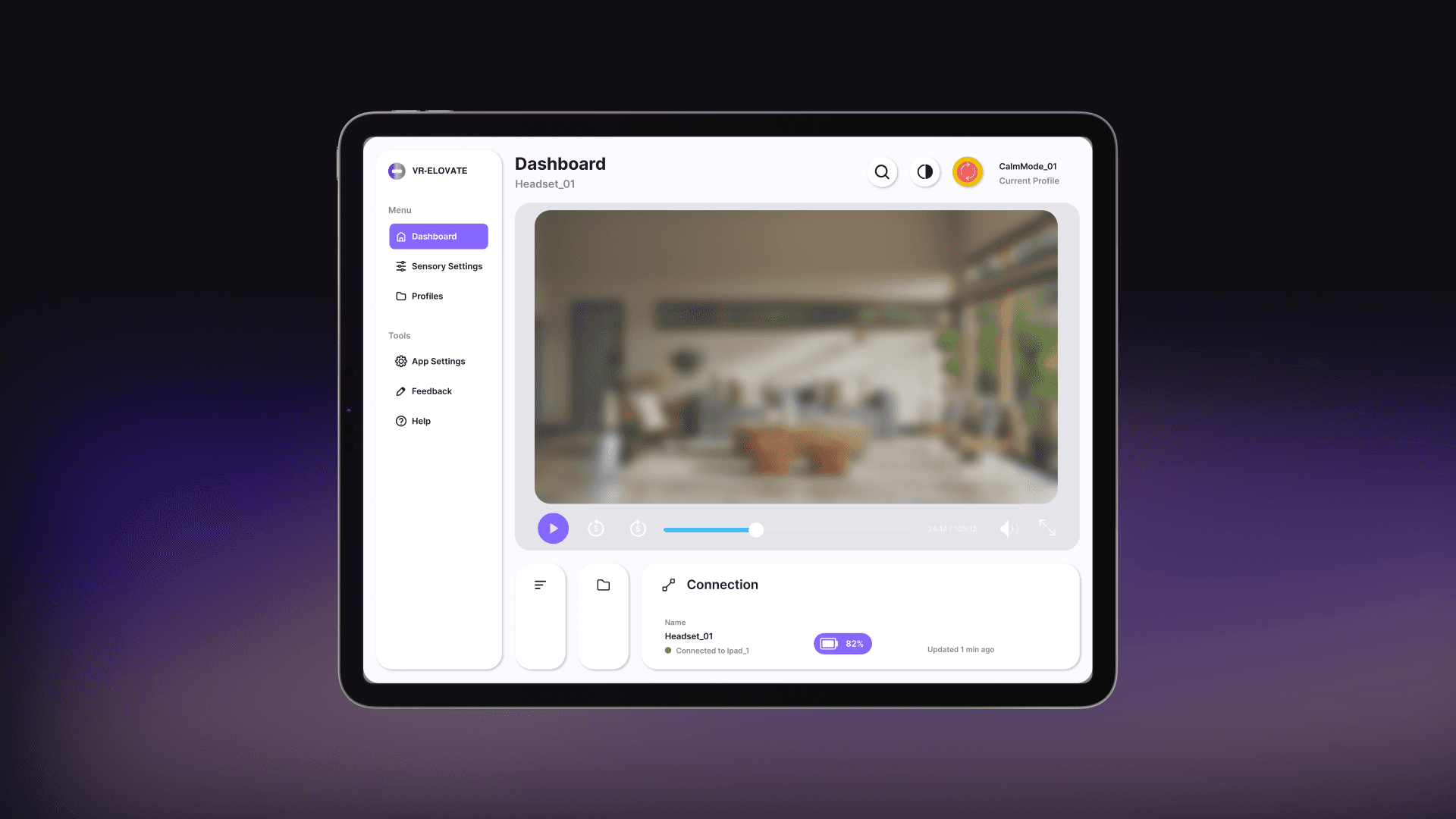
I designed an assistive companion app that enables support staff to monitor, manage, and personalise VR experiences for users with intellectual disabilities.

I designed an assistive companion app that enables support staff to monitor, manage, and personalise VR experiences for users with intellectual disabilities.

I designed an assistive companion app that enables support staff to monitor, manage, and personalise VR experiences for users with intellectual disabilities.

Role


UI/UX Design

Role


UI/UX Design

Team


Personal

Team


Personal

Timeline


Feburary - June

2025

Timeline


Nov 2025 - Feb

2026

Timeline


Nov 2025 - Feb 2026

Skills


Figma

Skills


Figma

Overview

Overview

Unfortunately, due to NDA restrictions, I am unable to fully share the entire project and final results from my internship at the Opportunity Tech Lab. However, this case study outlines the background of the project, my design process, and the key achievements made during the internship. As a UI/UX design intern, I was involved in an assistive technology project aimed at enhancing accessibility in virtual reality experiences. My tasks included user journey mapping, visual research, wireframe drawing, prototype design, and iterative design optimization. Here are some brief notes about the work I did during this time —

The Challenge

The Challenge

Designing for Rapid Decision-Making.

Designing for Rapid Decision-Making.

Unlike conventional applications, this interface supports time-sensitive decision making. Critical information and controls must be immediately identifiable, enabling support staff to respond quickly without navigating through unnecessary complexity.

Unlike conventional applications, this interface supports time-sensitive decision making. Critical information and controls must be immediately identifiable, enabling support staff to respond quickly without navigating through unnecessary complexity.

My Approach

My Approach

From Insight to Interface.

From Insight to Interface.

Researched sensory considerations that may affect individuals with intellectual disabilities during VR experiences, including brightness, colour, and visual intensity, while analysing support staff workflows to identify critical moments requiring rapid access to information and intervention controls.
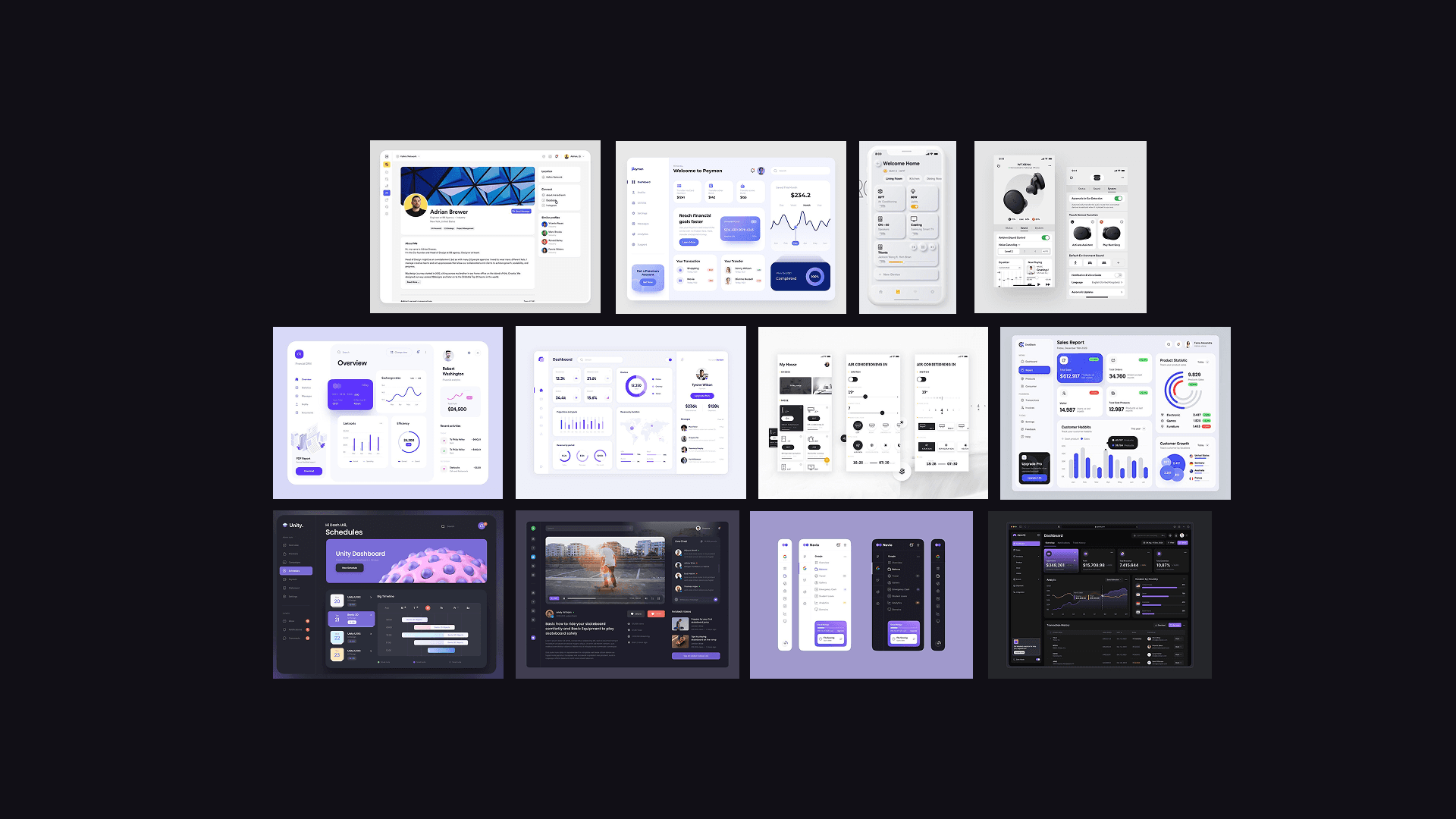
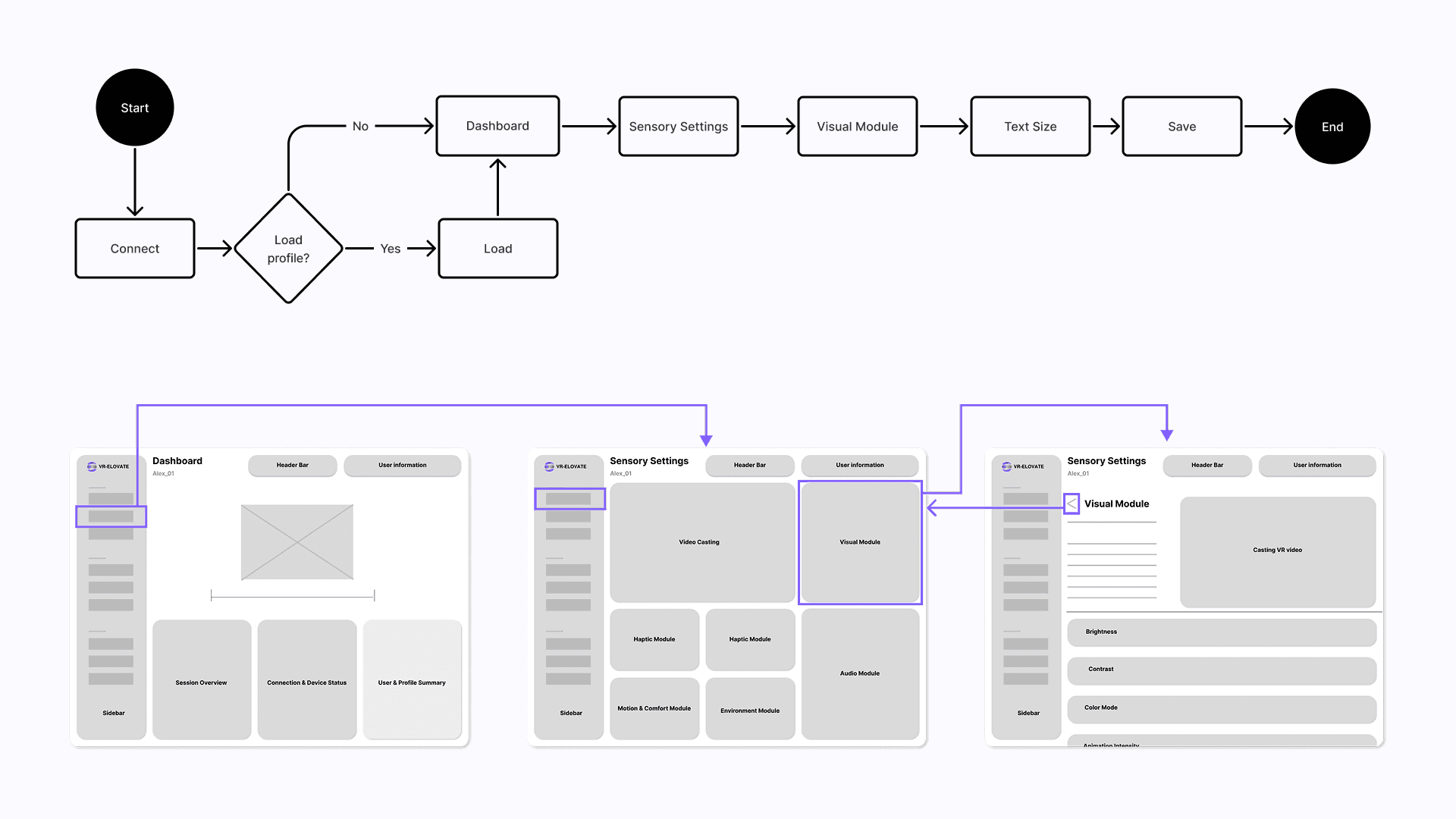
Based on researches, I developed user journeys, interaction flows, and wireframes to explore information hierarchy, visibility of critical controls, and strategies for reducing cognitive load in time-sensitive situations.
Finally, I Created and refined a high-fidelity prototype through iterative feedback, focusing on accessibility, clarity, and response efficiency, before presenting the final outcomes and recommendations to project stakeholders.

Reflection

Reflection

What I learned.

What I learned.

One solution does not fit all users.

One solution does not fit all users.

One of my biggest learnings was that designing for specific user groups requires dedicated solutions built around their needs, not adaptations of mainstream products.

One of my biggest learnings was that designing for specific user groups requires dedicated solutions built around their needs, not adaptations of mainstream products.

Safety is a design responsibility.

Safety is a design responsibility.

Designing for intervention taught me the importance of visibility, predictability, and rapid access to critical controls.

Designing for intervention taught me the importance of visibility, predictability, and rapid access to critical controls.